Custom MerchandiseBy Souvees
10 Creative Alternatives to Traditional Promotional Products
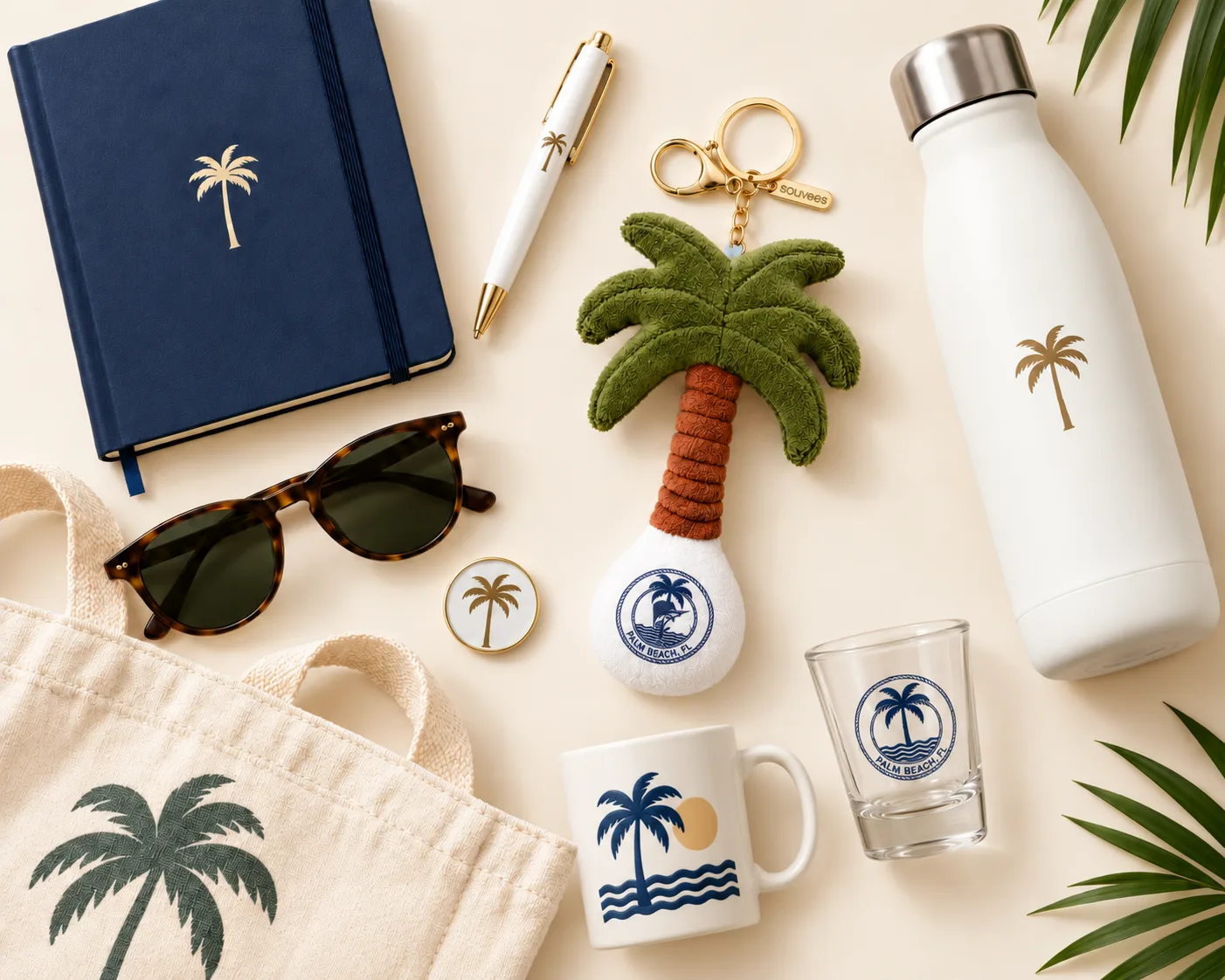
Let's talk about the promotional product problem.
Your customers already have a drawer full of branded pens. Another tote bag. Another water bottle. Maybe a stress ball or two.
There's nothing inherently wrong with these products. But when every business is giving away the same things, standing out becomes a challenge.
That's why more brands are exploring creative alternatives to traditional promotional products. Instead of simply putting a logo on another everyday item, they're looking for merchandise that feels personal, interesting, and worth keeping.
According to the Promotional Products Association International's Product Power 2026 research, 90% of surveyed consumers said receiving a promotional product improves their perception of the brand. The research also emphasizes the growing importance of quality, design, usefulness, and emotional connection.
The opportunity isn't to abandon branded merchandise. It's to make it better.
Here are 10 alternatives worth considering.
1. Collectible Plush Bag Charms
What if your branded merchandise became someone's favorite bag accessory?
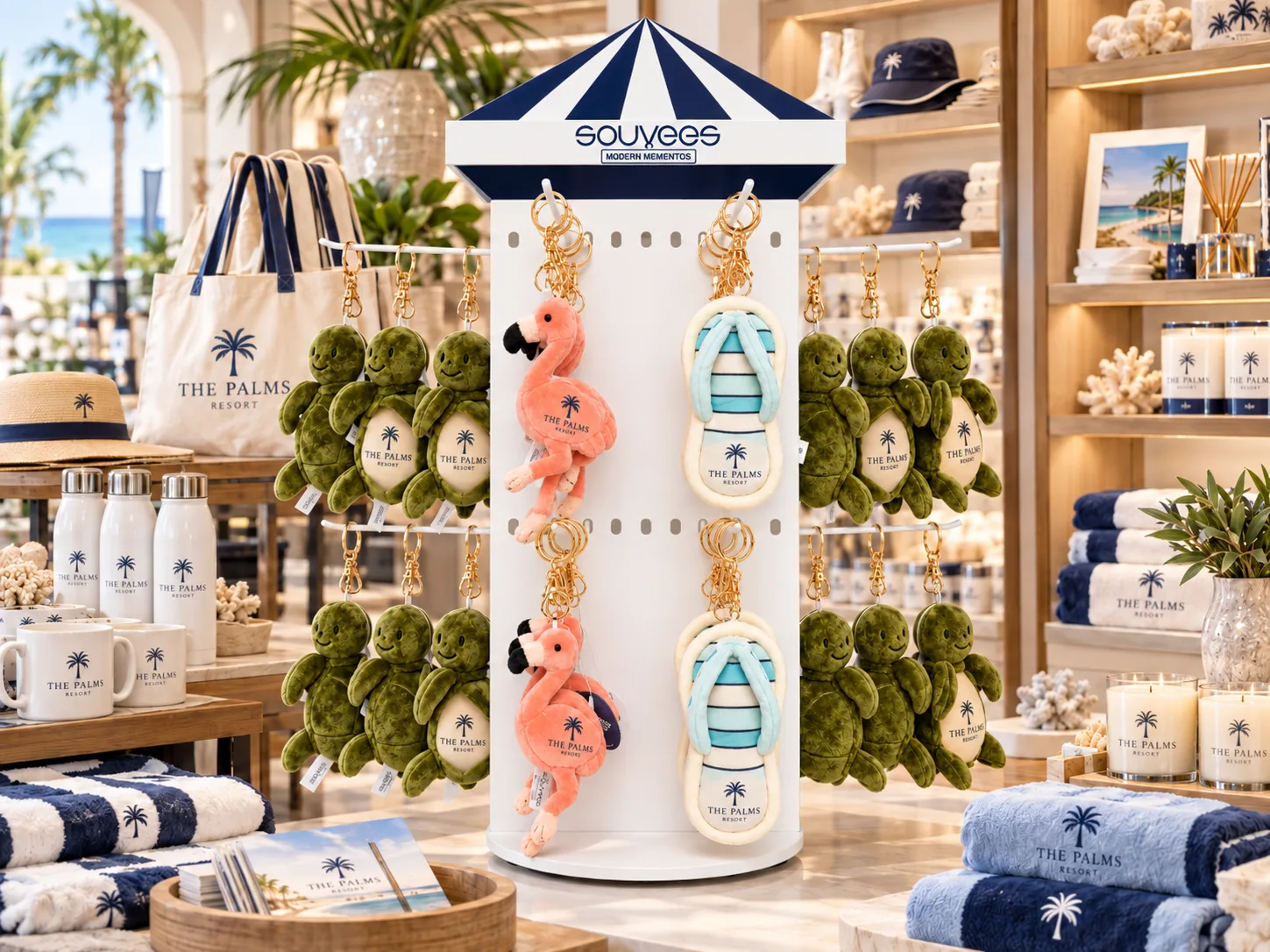
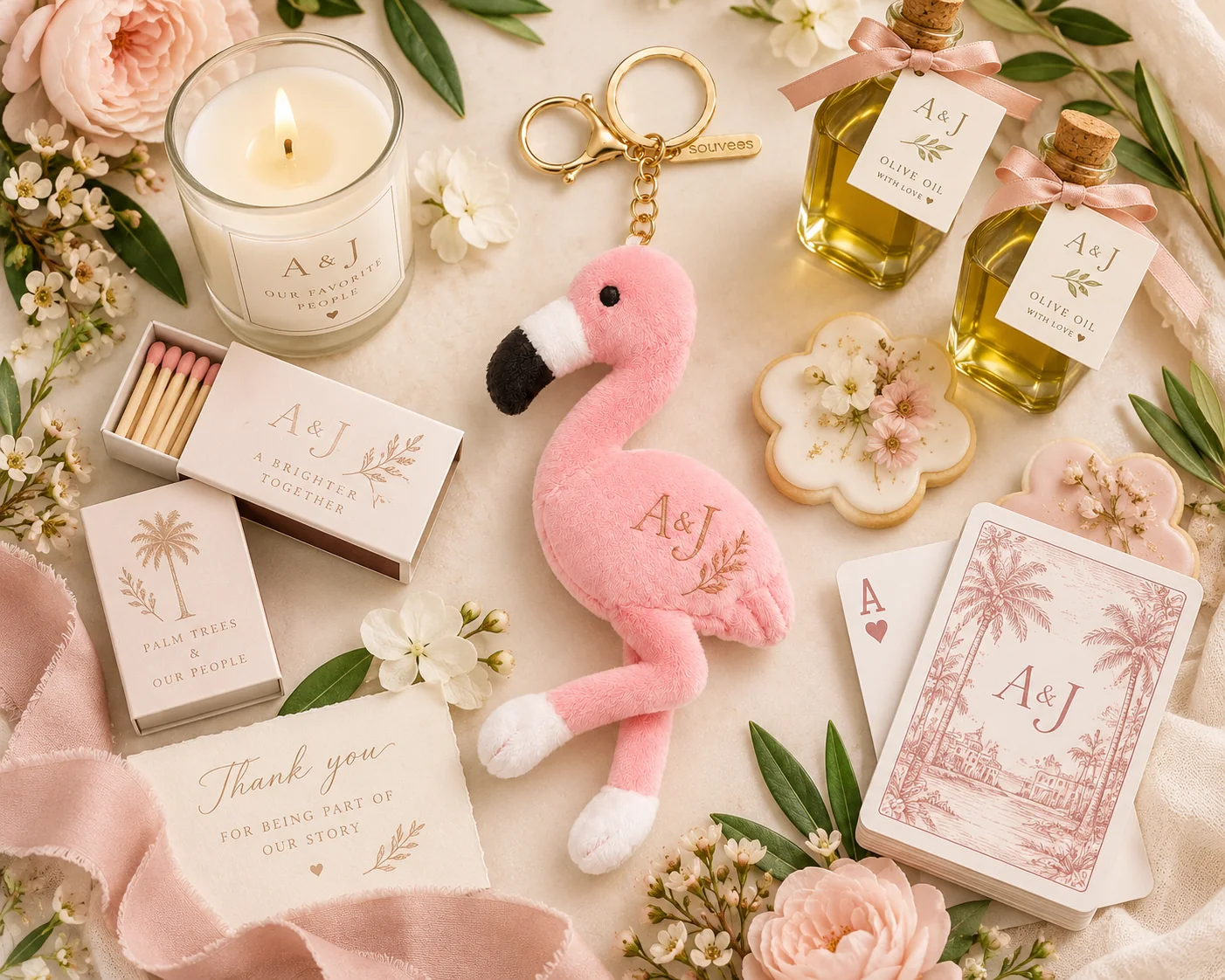
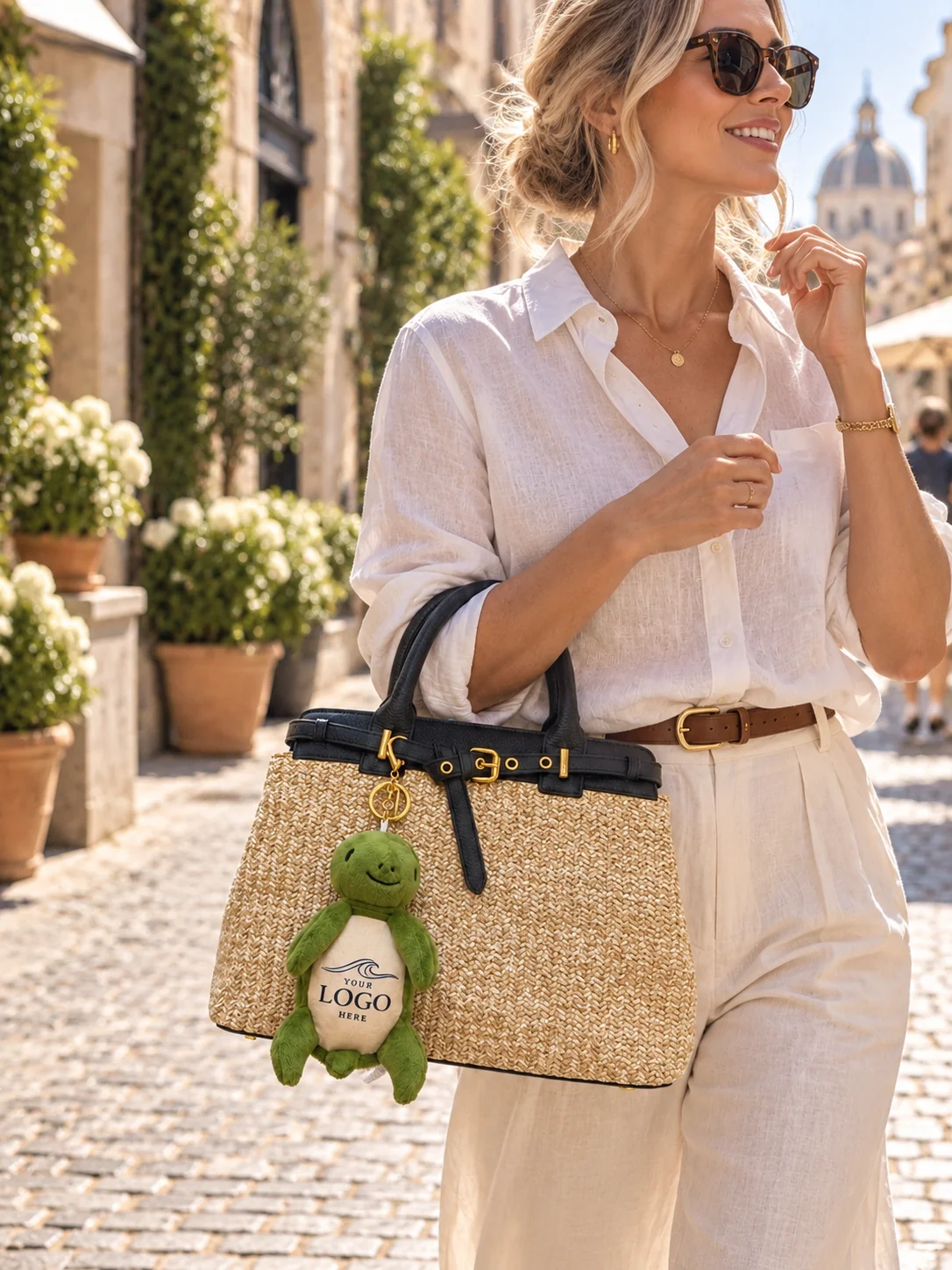
Plush bag charms combine the appeal of collectible characters with the visibility of something people carry on their handbags, backpacks, totes, and luggage.
Unlike a conventional keychain that might disappear into a pocket, a plush bag charm can become part of someone's everyday style.
They're particularly interesting for hotels, resorts, attractions, schools, specialty retailers, and events where customers already feel connected to a place or experience.
Why they work: They're playful, giftable, collectible, and offer opportunities for personalization.
Best for: Destination merchandise, retail shops, celebrations, branded collections, and memorable keepsakes.
Meet Souvees: Souvees creates collectible plush bag charms that businesses can personalize with their own logos. With minimum orders starting at just 10 pieces per existing design, brands can offer something distinctive without committing to hundreds of units.
Explore Souvees plush bag charms
2. Custom Enamel Pins
Small, expressive, and easy to collect, enamel pins are a smart alternative to traditional logo merchandise.
The best designs go beyond displaying a company name. They reference a location, celebrate a milestone, or represent something recognizable to a particular community.
Pins can be worn on jackets, backpacks, hats, and tote bags, making them an accessible way for customers to show their connection to a brand.
Why they work: Compact designs, collecting potential, and easy gifting.
Best for: Museums, cultural institutions, schools, events, and visitor attractions.
3. Limited-Edition Merchandise Collections
Instead of creating one branded item, consider developing a small collection around a theme.
A hotel might feature icons inspired by its destination. A museum could build a series around recognizable exhibits. A school might develop merchandise celebrating its traditions.
Limited-edition collections give returning customers something new to discover and give retailers opportunities to refresh their assortments.
Why they work: The collection creates a reason to return and provides more merchandising variety.
Best for: Destination retailers, museums, hospitality, seasonal events, and brands with loyal audiences.
A limited-edition program doesn't necessarily require expensive new product development. Existing merchandise designs can sometimes be refreshed through different artwork, branding, or packaging.
4. Custom Patches and Chenille Accessories
Embroidered and chenille patches offer a tactile alternative to conventional printed merchandise.
They can feature logos, icons, initials, destinations, or memorable phrases and can be used to personalize jackets, backpacks, and other accessories.
The texture gives them a more distinctive appearance than a standard printed graphic.
Why they work: They're expressive, versatile, and encourage personal styling.
Best for: Schools, specialty retailers, lifestyle brands, and community organizations.
5. Personalized Travel Accessories
For businesses in hospitality, tourism, and travel, merchandise that goes on the next journey can be especially relevant.
Think distinctive luggage tags, passport covers, travel pouches, and personalized bag accessories.
These products work best when their design is appealing enough to stand on its own, rather than relying entirely on a large logo.
Why they work: They combine practical use with continued visibility beyond the original destination.
Best for: Hotels, resorts, travel businesses, and destination retailers.
6. Artist-Designed Merchandise
One way to avoid the generic promotional product look is to collaborate with an illustrator, designer, or local artist.
Instead of placing a logo prominently on an ordinary product, the brand becomes part of a thoughtful design.
A neighborhood illustration, destination motif, or distinctive character can turn merchandise into something customers appreciate for its appearance.
Why they work: Original artwork helps differentiate the product and gives it a story.
Best for: Hotels, museums, restaurants, galleries, and businesses with a strong local identity.
7. Branded Lifestyle Accessories
Not every promotional item needs to look promotional.
Small lifestyle accessories such as zipper pouches, hair accessories, compact mirrors, and decorative bag charms can integrate naturally into customers' routines.
The key is to select products that reflect the tastes and lifestyles of your audience.
A thoughtfully designed accessory with subtle branding may be more appealing than a generic product with an oversized logo.
Why they work: They prioritize personal appeal while still creating brand visibility.
Best for: Beauty brands, boutique retailers, hospitality businesses, and lifestyle events.
8. Interactive Promotional Experiences
Sometimes the best alternative to a traditional giveaway isn't a different product. It's a different experience.
Consider allowing customers to personalize an item, select a design, or participate in an on-site customization activity.
Examples include charm bars, patch stations, and personalized merchandise activations.
Customers leave with an item they helped create, adding another layer of connection.
Why they work: Participation makes the merchandise part of the experience rather than just something handed out.
Best for: Brand activations, conferences, festivals, retail events, and celebrations.
9. Useful Products With Thoughtful Design
Traditional promotional products aren't automatically ineffective. Sometimes the best alternative is simply a much better version of something familiar.
A well-made notebook with a distinctive cover, a durable everyday pouch, or a reusable bottle with beautifully considered branding can still make an impression.
PPAI's 2026 consumer research highlights the role that durability, usefulness, and personal relevance play in how people value promotional products.
The lesson? Don't choose merchandise just because there's room for your logo.
Choose something people would want even without it.
Why they work: Practicality combined with strong design can encourage repeated use.
Best for: Corporate gifting, employee recognition, professional events, and customer appreciation.
10. Merchandise Inspired by a Place or Experience
The most memorable branded products often connect to something bigger than the brand itself.
A destination. A celebration. A shared experience. A favorite place.
Think beyond simply printing a hotel name on a mug or an event date on a tote bag.
Could the product represent something recognizable about the experience?
A palm tree that reminds someone of a tropical getaway. A turtle inspired by a coastal destination. A playful icon that captures the personality of an event.
When the merchandise means something to the person receiving it, the logo becomes part of a story rather than the entire story.
Why they work: A recognizable design can connect the product to a personal memory.
Best for: Hotels, attractions, destinations, celebrations, and specialty retailers.
What Makes a Good Alternative to Traditional Promotional Products?
Before investing in your next branded merchandise order, ask yourself five questions:
- Would someone want this without our logo? If the answer is no, reconsider the design or product.
- Does it reflect our audience? Merchandise for a resort guest should feel different from merchandise for a corporate conference attendee.
- Is it memorable? A distinctive shape, texture, illustration, or concept can help a product stand out.
- Will people keep or use it? Consider quality, relevance, usefulness, and personal appeal.
- Does it reinforce our identity? The strongest merchandise communicates something recognizable about your brand or experience.
For retailers, there's an additional consideration: would someone actually pay for it?
That's where the difference between a promotional giveaway and compelling retail merchandise becomes especially important.
Are Unique Promotional Products More Expensive?
Not necessarily.
The cost depends on the item, quantity, customization method, materials, and production requirements.
Traditional promotional products may offer attractive pricing at very high volumes. More distinctive merchandise can involve different manufacturing economics, but some options allow smaller initial orders.
Rather than comparing unit cost alone, consider the purpose of your merchandise.
For a giveaway, cost per recipient might be the primary metric.
For a retail product, selling price, gross margin, presentation, and sell-through matter just as much.
The goal is to choose merchandise that makes commercial sense while offering customers something they'll appreciate.
Where Can Businesses Find Unique Promotional Products in Small Quantities?
If you're experimenting with a new merchandise idea, starting small can help you test customer interest before committing to a larger assortment.
Look for suppliers that offer clear customization options, transparent minimums, realistic production timelines, and accessible reorder processes.
For businesses interested in custom plush bag charms, Souvees offers logo personalization on an existing collection of designs, starting at just 10 pieces per design.
That means you don't have to commission an entirely new plush character or commit to a large manufacturing run to create a personalized accessory.
Meet Souvees: A Different Kind of Branded Merchandise
At Souvees, we believe a great souvenir or branded keepsake should be something people want to carry, not something they feel obligated to keep.
Our collectible plush bag charms put a playful twist on traditional logo merchandise.
Businesses, hotels, attractions, schools, and event organizers can personalize our existing designs with their own logos, creating modern mementos that travel with their customers.
They're soft. They're collectible. And they're definitely not another branded pen.
Your logo. Our collection. Proof you were there.
Ready to create something different?
Explore the Souvees Collection
Source: Promotional Products Association International, Product Power 2026: What Consumers Want Next.